
Schisandra Berry: Balancing the Root Chakra
Most people have directly experienced the link between emotional health and physical health. Perhaps you've felt "butterflies" in your stomach when sitting a stressful exam. Or perhaps, you've succumbed to a horrible flu after a period of acute stress. It's all just showing us how our emotions can have a very real effect on the physical body.
Going one step further is the idea that not only do humans have a physical body, but we also have an emotional body or energy body inter-linked with our physical self. In energetic traditions, this is known as the etheric body and has 7 main energy centres or chakras all situated up the spine from base to head or crown chakra.
Today, I want to introduce you to the first chakra or root chakra known as Muladhara. Located at the base of the spine, this energy centre governs feelings of safety, stability and physical vitality.
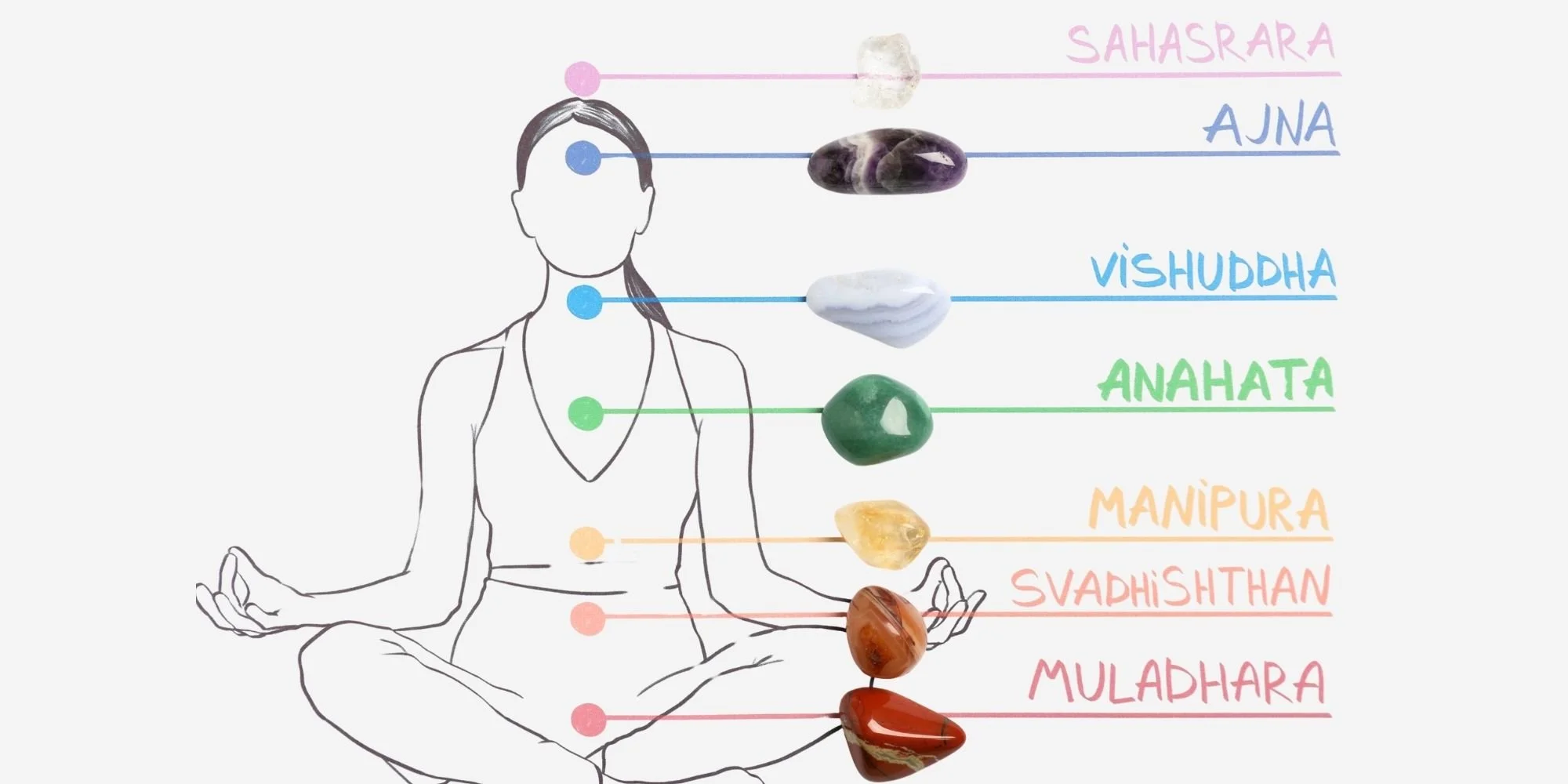
The Root Chakra: Source of Energy
When life circumstances have shaken your feeling of safety, your root chakra can become depleted. Ongoing feelings of fear, anxiety, ongoing nervous tension, and poor stress tolerance surface. For people with traumatic experiences in childhood, a root chakra imbalance can last well into adulthood and even colour the whole life experience - leading someone to subconsciously play small and safe to keep those feelings of fear from resurfacing.
On the flip-side, if you have a balanced root chakra you will be more likely to feel highly energised, outgoing, stable, and confident.
Why Your Root Chakra Needs Balancing
If you've been stuck in stress and survival mode for a long time, it might be worth paying attention to your root chakra.
Revitalising your root chakra is vital to the flow of energy in your whole body. Precisely because it's the first chakra at the base of the spine. All the energy in your energy body starts from here and flows up, affecting the energy flow to all 6 other centres above.

The picture of a person with a depleted root chakra is someone with unresolved trauma that then dampens their ability to live as the full whole expression of themselves. Subconscious fear or ongoing anxiety constantly playing in the background can then affect their relationships, creativity, energy and career aspirations - and in fact, sadly, the whole life experience.
Some of the physical problems that occur from a root chakra imbalance: fear, lack of sleep, nervous disorders, lack of energy, poor stress tolerance, bone density issues, hormonal imbalances, adrenal burn out.
Herbal Help for Root Chakra Balance
A herb to balance and nourish the root chakra is Schisandra berry (Schisandra chinensis). It is a powerful herbal ally for restoring balance at this foundational level.
When looking at the Schisandra Berry plant, the first thing you might notice is that it’s a vigorous climbing vine that grows in a strongly upward direction using other plants and trees to head towards the forest canopy. It can grow up to heights of 9 metres! It has thick strong central vines and the bright red berries hang off in clusters off the main stem.
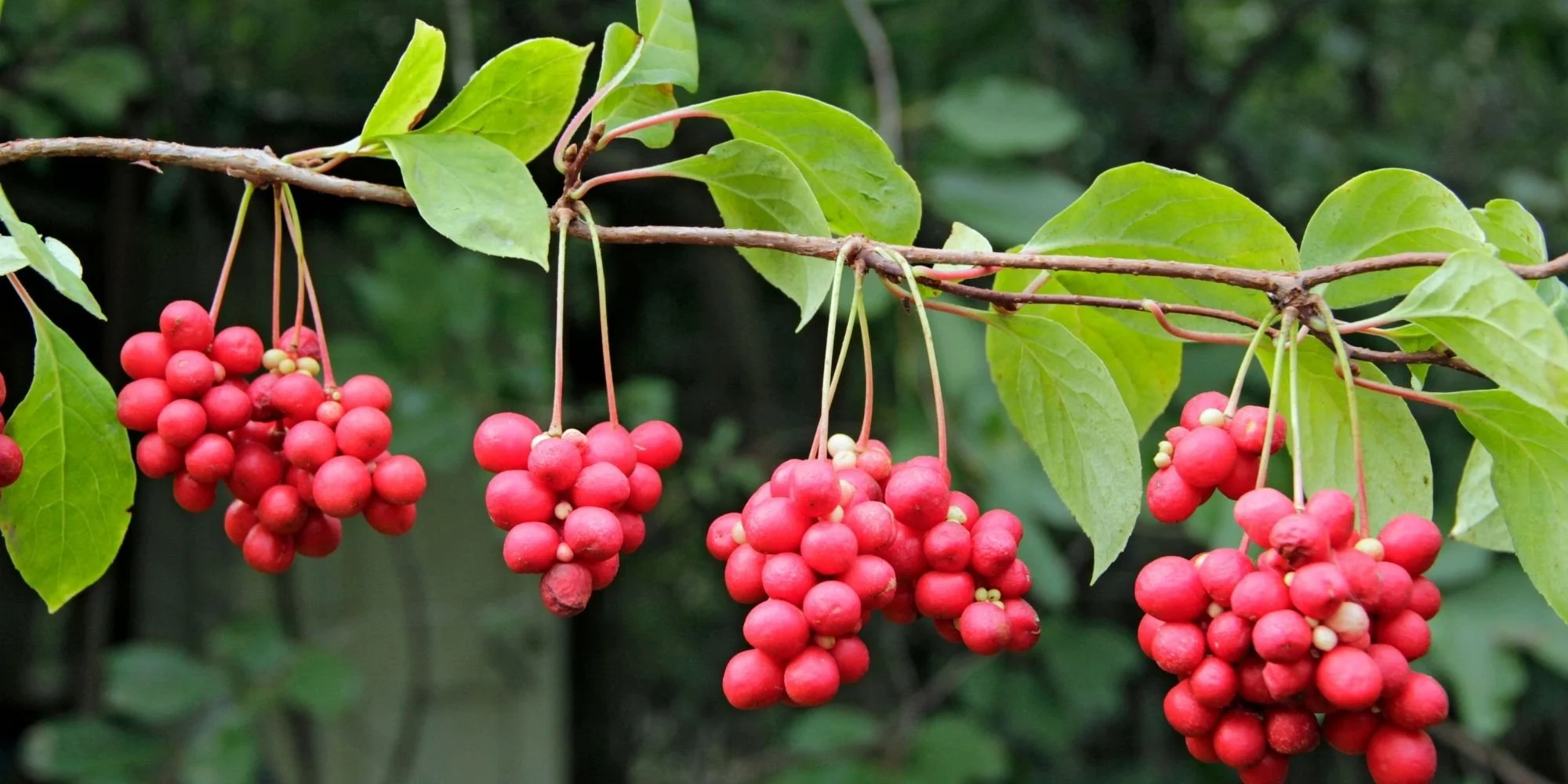
This strong vertical habit gives us clues as to how it may be used to encourage our own energy flow upwards in the body.
Its vines indicate its potential as a nervine plant or plant to calm and strengthen nervine health. The red of Schisandra berries also signify the plant’s affinity for the root chakra. And finally, the red berries are renowned for having all 5 flavours: spicy, sweet, sour, pungent and bitter which Chinese medicine practitioners believe shows its affinity for assisting the 5 major organs of the body (heart, lungs, brain, skin, liver, gut).
Traditional Use of Schisandra
Indeed, Chinese medicine also reveres this plant and uses it to increase "qi" or life force in the body. Taoist masters in the Himalayas call Schisandra the "quintessence of tonic herbs" for supporting overall well-being and radiance.
Schisandra grows in cold mountain areas and where physical endurance has historically been necessary to survival. Tribes in the Himalayas and Nepal chew the berries to give them extra energy on mountain climbs. The berries were sought by Chinese emperors to maintain strength, virility, and radiance. In Chinese medicine, Schisandra is also used to improve sexual power in men.
While in the Far East regions of Russia, the berries have been used by the native Nanai hunters to improve night vision and as a tonic to reduce hunger, thirst, and exhaustion.
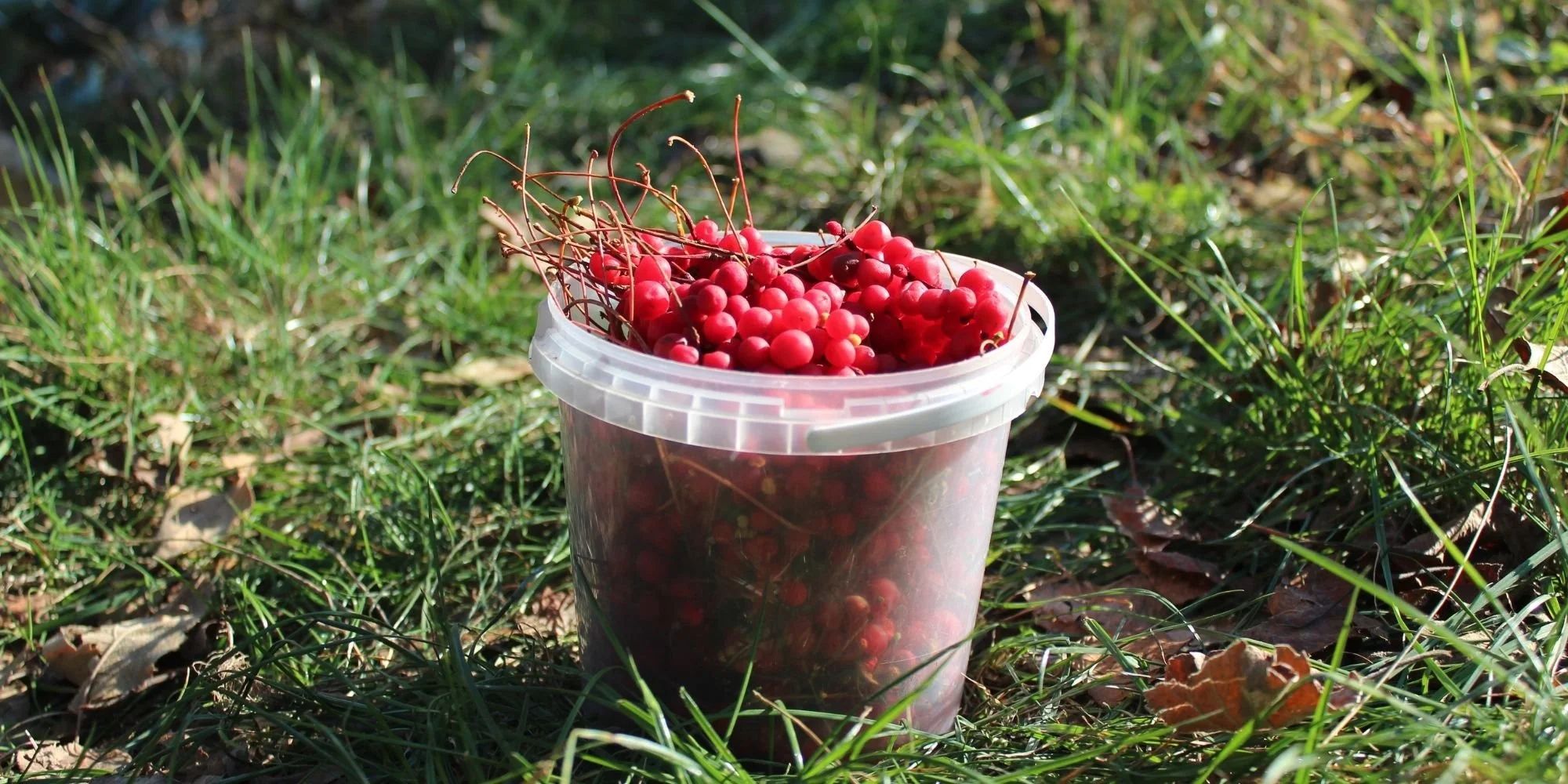
The Benefits of Schisandra
From a physiological perspective, Schisandra works deeply on the adrenal glands, nervous system, and liver, supporting the body's stress response and resilience. Chronic stress is one of the most common root-chakra disruptors, pulling energy upward and away from the body. By helping regulate cortisol, improve stress tolerance, and protect against burnout, Schisandra gently draws energy back down into the body, promoting steadiness and endurance..
Schisandra also has a strong astringent and tonifying quality, which in energetic terms helps "hold" and conserve vital energy. This makes it particularly beneficial for people who feel scattered, depleted, or ungrounded. In TCM, it is used to prevent the leakage of qi and essence - concepts closely aligned with root-chakra vitality and long-term strength.
On an emotional level, Schisandra is used to support calm focus, emotional resilience, and inner strength. While it is not sedating, people use it to help steady the mind and improve clarity under pressure. I find it an excellent herb for those who feel overwhelmed, unsafe, or constantly in survival mode - key signs of root-chakra imbalance.
Physically, Schisandra nourishes the kidneys, which in both TCM and Ayurvedic-influenced chakra systems are closely linked to fear, longevity, and foundational energy. By strengthening kidney energy, Schisandra supports courage, improves daily energy and encourages a sense of confidence.
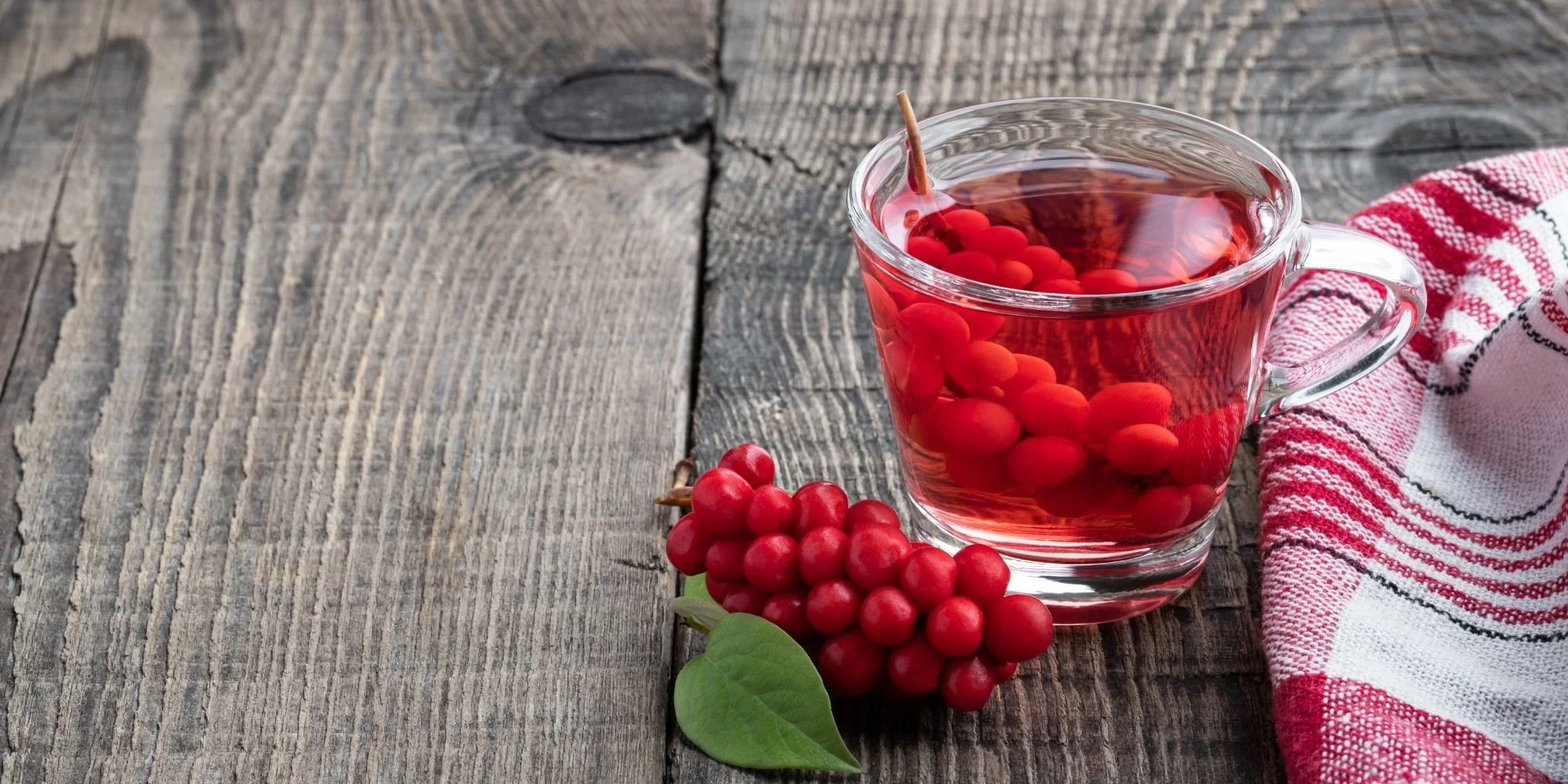
How to Use Schisandra Berry at Home
Schisandra is traditionally used in small, regular doses over weeks to months to rebuild resilience and conserve vital energy. But make sure to address and eliminate the sources of stress in your life for true health and healing.
Herbal Tincture:
Take once or twice daily for ongoing stress support, nervous system resilience, and grounding energy.
Tea / Decoction:
Lightly crush dried schisandra berries and gently simmer for 15–20 minutes to create a warming, tangy tea.
Powder:
Add small amounts of schisandra powder to smoothies, stewed fruit, or warm drinks. Its unique five-flavour taste pairs well with warming spices such as cinnamon or ginger.
Precautions:
Avoid use during pregnancy unless under professional guidance. Not a herb I would recommend for children.